

The Collaborative Framework for Smart Agriculture (COSA) project aims to build a complex Internet of Things (IoT)-based environment for smart agriculture throughout its life cycle. COSA enables the devices of various actors (farmers – with field sensors, suppliers – transport fleet management, manufacturers – requests, etc.) to connect and provide data on the complete chain optimization.
The project is supported by a team of computer scientists, computer engineers and mathematicians, working at the interface of the fields: complexity engineering, cyber-physical systems, optimization, artificial intelligence, with competence and experience in all the mentioned fields.
36
months · Jul 2023 — Jun 2026
14
researchers in the team
33+
publications
7
Q1 journal papers
Conceptualization
The conceptualization phase (WP2) marks the beginning of the project, establishing the main foundations on which the rest of the project will be built — requirements, state of the art, use cases and the overall technical architecture.
Innovation and Development
This phase (WP3) builds upon the foundations defined in WP2 and delivers COSA’s core: digital infrastructure, communication and cybersecurity technologies, and AI-based software modules for predictions and decision-making.
COSA Framework Validation
The COSA framework is validated end-to-end (WP4) — both infrastructure and software/data platform — through three concrete use cases covering crop yield prediction and land bonitation, aerial crop monitoring with precision treatment, and a local producer marketplace.
Horizontal Activities
Horizontal activities run continuously across the entire project lifecycle (WP1 + WP5) — project management, data management, mentoring, scientific dissemination, exploitation and research-network development.
About Us
Scientifically, the COSA project will continue the research started within the group regarding data mining in IoT and optimization of the supply chain. The existing platforms can collect data at a centralized level (e.g., cloud), however, data privacy, safety, and security are at their lowest levels. More advanced Data Mining methodologies, like Federated Learning, significantly improve these aspects, resulting in a safer and more secure platform with lower bandwidth and power consumption. Some little research focuses on translating data into actionable knowledge, such as reported by Quafiq et al. (TRL 3), which is not technologically mature enough to be used for more applicative cases. It focuses on knowledge inferred specifically from the sensor data, without considering context or corroborating the sources. Within data translation, special care is given to preserving information quantity. When inferring the ontology, we aim for information quantity increase. Data will be made public, which will provide test beds for further research in IoT, optimizations, and smart agriculture. All these domains are priorities of the European Union, so our research will contribute to the increase of innovation as a secondary means.
Socio-economically, COSA impacts the whole agricultural lifecycle (from plough to harvest) and the food distribution chain, in an integrated and holistic way. Unmanned vehicles work collaboratively for detection and treatment of plant diseases or for harvesting. Smart farming addresses common agricultural challenges — production control, logistics, tracking and tracing — through data-driven decision making powered by AI and IoT.
Budget
Total budget is 7.091.752,82 RON.
Project period
36 months.
Starting time
The project started in July 2023.
Three real-world use cases
From soil evaluation to drone-based monitoring and a digital marketplace — COSA delivers research that ends up in tools people can actually use.

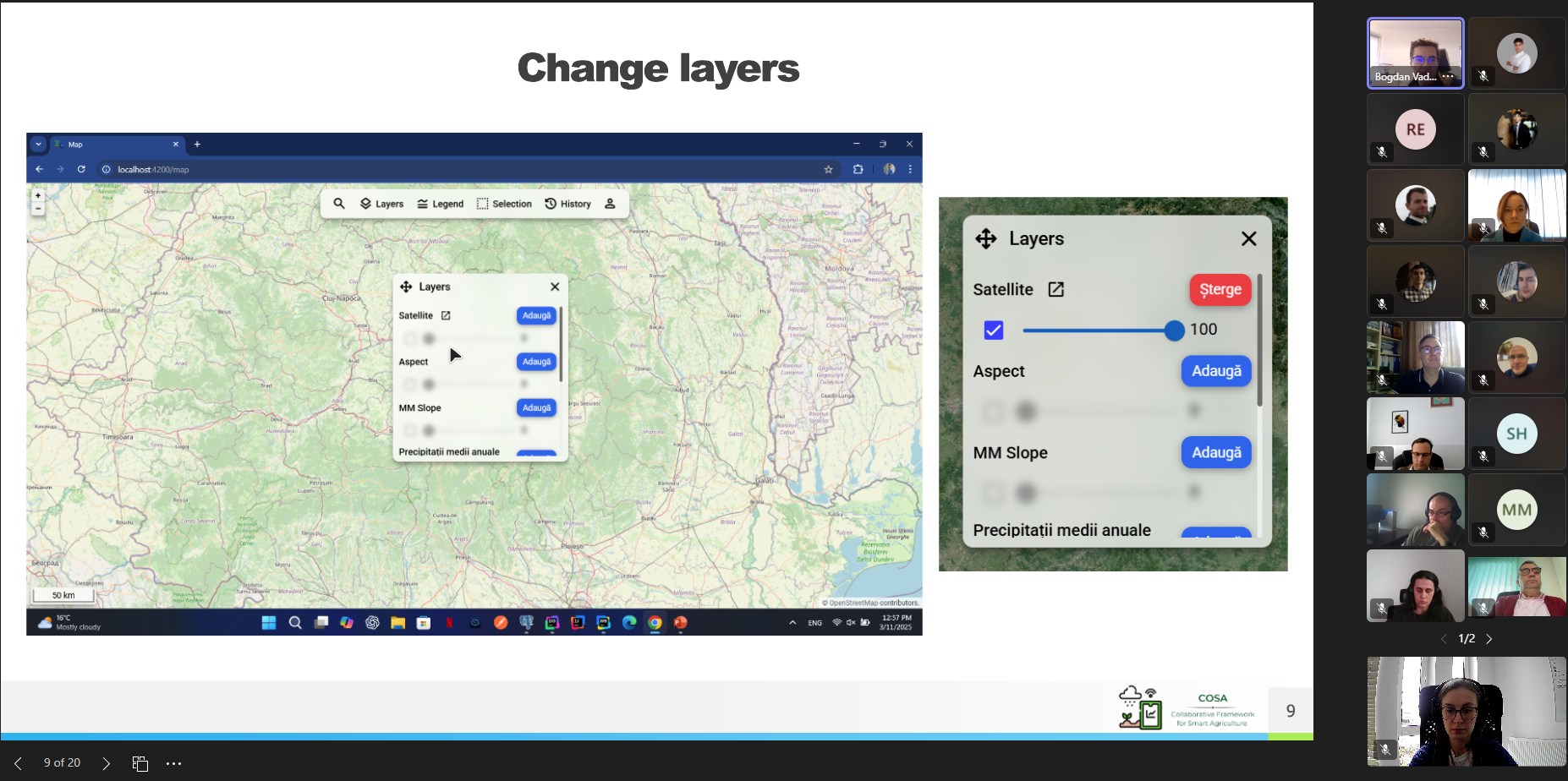
Use Case 1: Crop Yield & Land Bonitation
Soil studies, GIS and machine learning to evaluate land potential and forecast yields.
Use Case 2: Aerial Crop Monitoring
Drones and aerial imagery to detect crop conditions and apply precise, targeted treatments.
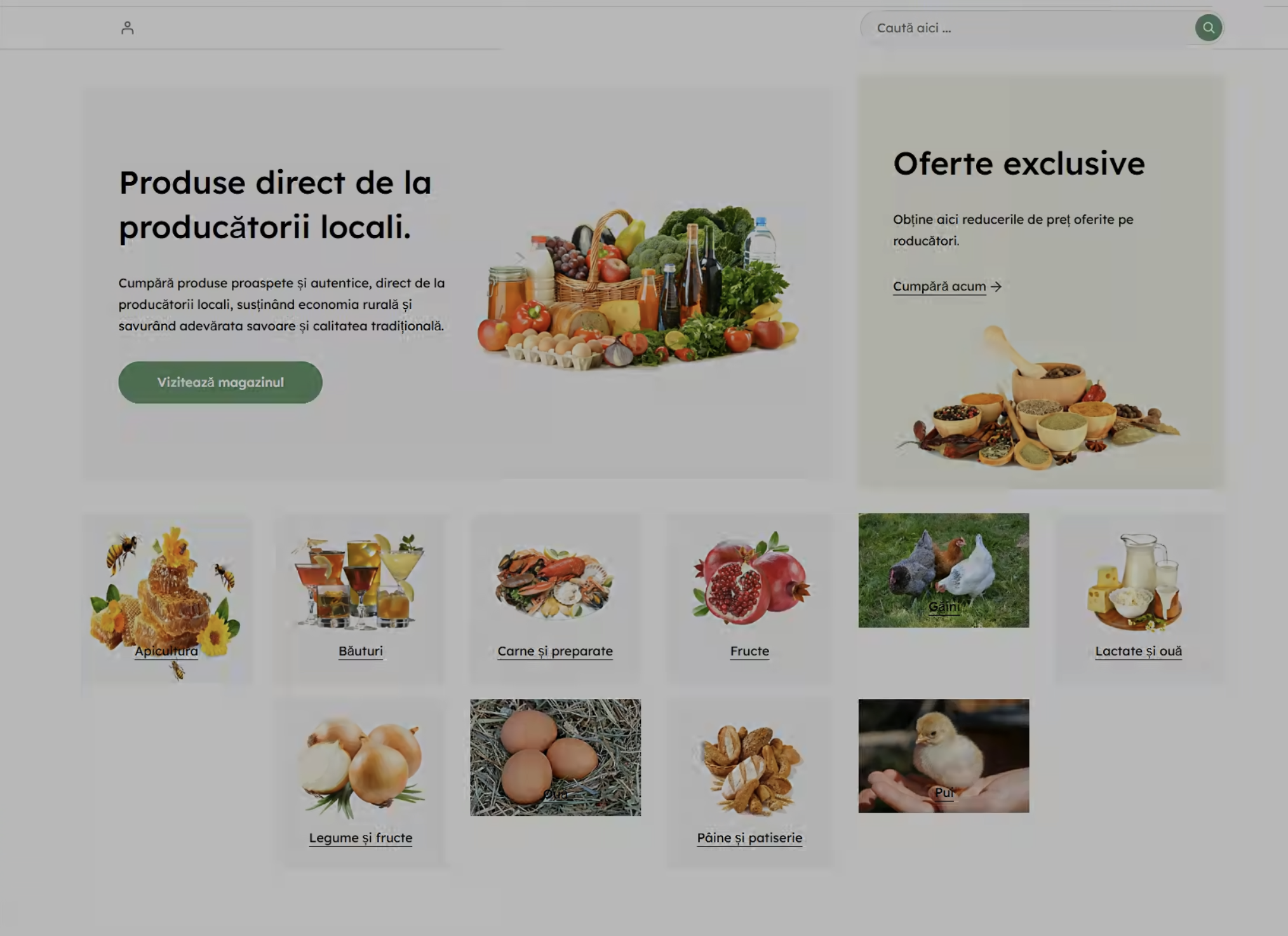
Use Case 3: Local Producer Marketplace
A digital marketplace connecting local producers with consumers — and a real-world data testbed.
Three public platforms
COSA research is materialized in three platforms that anyone can try out today.
Land Bonitation Platform
Interactive GIS application for adaptive land bonitation.
AEGIS — Smart Specialization
Decision-support dashboard for the smart economic specialization of localities.
Local Producer Marketplace
A digital marketplace connecting local producers and consumers in the Baia Mare region.
Work packages


Latest News
The most recent updates from the COSA project — events, milestones and team news.
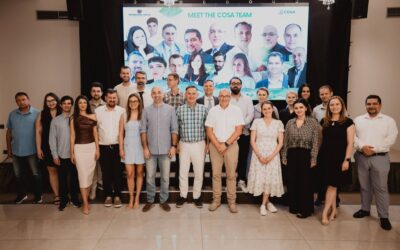
COSA Closing Event – Agri Innovation Summit 2026
On 26 June 2026, the COSA – Collaborative Framework for Smart Agriculture project successfully concluded with the Agri...

Congratulations to Dr. Emil Marian Pașca on Receiving His PhD Diploma!
Congratulations to our PhD student, Emil Marian Pasca, for receiving his PhD Diploma during the Doctoral Degree Award...
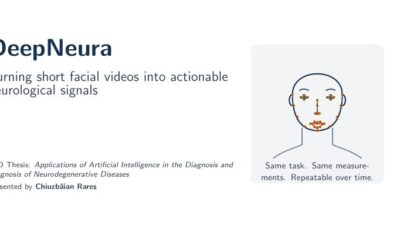
DeepNeura — Turning Short Facial Videos into Actionable Neurological Signals — Pitch by Chiuzbăian Rareș
Chiuzbăian Rareș presented DeepNeura, a research project that turns short facial videos into actionable neurological...
Latest Publications
Recent peer-reviewed publications and conference papers from the COSA team.
An Enhanced Hybrid Machine Learning Model for Plant Disease Detection and Classification
An Enhanced Hybrid Machine Learning Model for Plant Disease Detection and ClassificationMara Măcelaru, Petrică C. Pop,...
A GIS-Driven, Machine Learning-Enhanced Framework for Adaptive Land Bonitation
A GIS-Driven, Machine Learning-Enhanced Framework for Adaptive Land BonitationBogdan Văduva, Anca Avram, Oliviu Matei,...
Competition between Dandelion and Prüfer encoded genetic algorithms for solving the clustered minimum routing tree problem
Competition between Dandelion and Prüfer encoded genetic algorithms for solving the clustered minimum routing tree...